For commercial vehicles, engineering work vehicles, and large mining vehicles, the hydraulic system serves as the "power heart" responsible for core functions such as vehicle handling, braking, and lifting. Various precision valve components are pivotal to ensuring the stable operation of this heart. While many focus on overall collision prevention and active safety systems, they often overlook the critical role of the hydraulic control component—the proportional valve.
As the core control component of a vehicle's hydraulic system, the proportional valve delivers precise pressure and flow regulation, ensuring smoother power delivery, more responsive handling, and enhanced operational stability. By addressing potential hydraulic failures and control malfunctions at the component level, it safeguards safe vehicle operation and smooth driving performance.
Today, Henan Huhang Group (www.hu-hang.com) provides an in-depth exploration of proportional oil valves, unlocking the safety mechanisms of vehicle hydraulic systems.
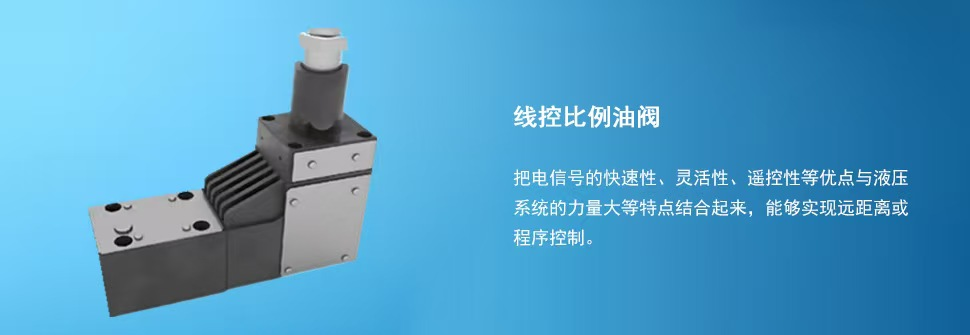
01 What is a proportional oil valve? The core component for precise hydraulic regulation
A proportional oil valve is an electro-hydraulic proportional control component serving as a critical bridge between electrical control systems and hydraulic power systems. Unlike the simplistic on/off control of conventional hydraulic valves, a proportional oil valve can precisely and linearly regulate the pressure, flow rate, and direction of hydraulic oil based on input electrical signals.
In simple terms, traditional hydraulic valves can only operate in two states—fully open or fully closed—with low control accuracy and significant fluctuations in power output; in contrast, proportional hydraulic valves enable stepless, precise regulation where the input signal magnitude directly corresponds to hydraulic output, perfectly meeting vehicle's dynamic requirements under various operating conditions and ensuring hydraulic control is flexible, responsive, and stable.
With its core advantages of high precision, stability, and responsiveness, the proportional oil valve is widely used in hydraulic control systems of various vehicles—including trucks, engineering vehicles, sanitation vehicles, and specialized operation vehicles—making it a critical component for ensuring operational efficiency and driving safety.
02 Core Working Principle: Achieves precise control and stability across all operating conditions
The core principle of a proportional oil valve lies in precisely converting electrical signals into hydraulic power, featuring closed-loop control and dynamic adaptation throughout the entire process, ensuring efficient and stable operation.
The vehicle control system generates corresponding electric control signals based on driving and operational conditions. Upon receiving these signals, the proportional oil valve utilizes coordinated operation of its internal precision components—including a proportional electromagnet, valve core, and valve sleeve—to precisely regulate the valve core opening, thereby dynamically controlling the flow rate and pressure of hydraulic oil in real time.
In various operating scenarios—including vehicle start-up, lifting, braking, steering, and constant-speed operation—the proportional oil valve dynamically regulates hydraulic output: delivering low-pressure, low-flow output during light operations or low loads to prevent power overload; steadily increasing pressure and flow during heavy tasks or high loads to ensure adequate power supply. Additionally, its built-in feedback mechanism continuously corrects pressure deviations in real time, eliminating abrupt pressure fluctuations and inconsistent power delivery, thereby maintaining the entire hydraulic system in a stable and controllable operating state.
03 Four Core Advantages: Building a Robust Barrier for Vehicle Safety Operation
As the "pressure regulator" of hydraulic systems, the proportional oil valve comprehensively enhances vehicle performance across four dimensions—operation, safety, loss reduction, and efficiency—addressing numerous challenges inherent in traditional hydraulic systems.
1. Precise and smooth operation with zero response lag
By leveraging linear proportional control technology, this system completely eliminates the issues of operational lag, power delay, and abrupt responses characteristic of traditional hydraulic systems. Vehicle operations such as steering, lifting, and braking become smoother, with enhanced operational precision, significantly reducing driver workload—making it particularly suitable for prolonged, high-intensity operating scenarios.
2. Implement voltage stabilization and current control to eliminate safety hazards
Unstable hydraulic pressure, overload-induced pressure relief, and flow control failure are the primary causes of vehicle lifting failure, weak braking performance, and component rupture. The proportional oil valve provides real-time pressure stabilization and flow regulation, effectively preventing issues such as pressure overload, pipeline shock, and power loss, thereby mitigating safety risks like operational instability and driving failures at the source and significantly enhancing overall vehicle safety.
3. Reduce component wear and tear, extend equipment lifespan
Traditional switching-type hydraulic controls are prone to generating hydraulic shocks, which can accelerate wear and aging of components such as oil pipes, cylinders, and pumps over prolonged operation. The smooth regulation mechanism of proportional valves effectively mitigates hydraulic shocks, reduces system vibration and wear, lowers the failure rate of hydraulic components, extends the service life of the entire vehicle's hydraulic system, and decreases maintenance costs.
4. Suitable for multiple scenarios, offering higher work efficiency
It can precisely adapt to various complex operating conditions—including no-load, light-load, heavy-load, constant-speed, and variable-speed modes—with power output tailored precisely as needed. This design prevents energy waste under low-load scenarios while ensuring sufficient power for heavy-load operations, balancing safety and operational efficiency to perfectly meet the diverse requirements of commercial vehicles and specialized engineering vehicles.
04 Upholding Our Original Mission: Ensuring Comprehensive Safety through meticulous attention to detail
Vehicle safety is no trivial matter; every precision component serves as a critical link in the safety framework.
Many safety incidents do not stem from major vehicle-wide failures, but rather from chain reactions caused by loss of control in minor hydraulic components or regulatory failures. Although the proportional valve may appear inconspicuous, it plays a critical role in ensuring precise stability and risk mitigation within the vehicle's hydraulic system, serving as an "invisible guardian" for safe and stable vehicle operation.
With years of expertise in vehicle active safety, Henan Huhang consistently upholds the philosophy of "building safety through meticulous details and safeguarding the entire journey with precision engineering." The company focuses on optimizing core vehicle components and upgrading safety systems, addressing everything from part accuracy to comprehensive vehicle safety solutions to establish robust safeguards for both road travel and operational safety.
Going forward, Hushang Group will continue to deepen its research and development in vehicle safety technologies, delivering more precise products, mature solutions, and professional services to ensure the safe and reliable operation of every vehicle.
Ensuring road safety is our constant priority ✨
For business consultations, bulk component procurement, or vehicle retrofitting solutions, visit Hu Hang Group's official website at www.hu-hang.com; hotline: 0371-86556688; WeChat business ID: 18569912153.